Menu

Page (Solar Energy) - Banner Image

Solar Energy

Zero-Emissions Power: Customers Want It

Floridians want electricity generated in an environmentally responsible way. FMPA’s mission is to meet this expectation without sacrificing the equally important priorities of low-cost and reliable power. By working together, Florida’s municipal electric utilities can build larger, more efficient solar energy that provides power at an affordable price for homes and businesses in Florida with lower emissions than alternatives.

How Solar Power Works

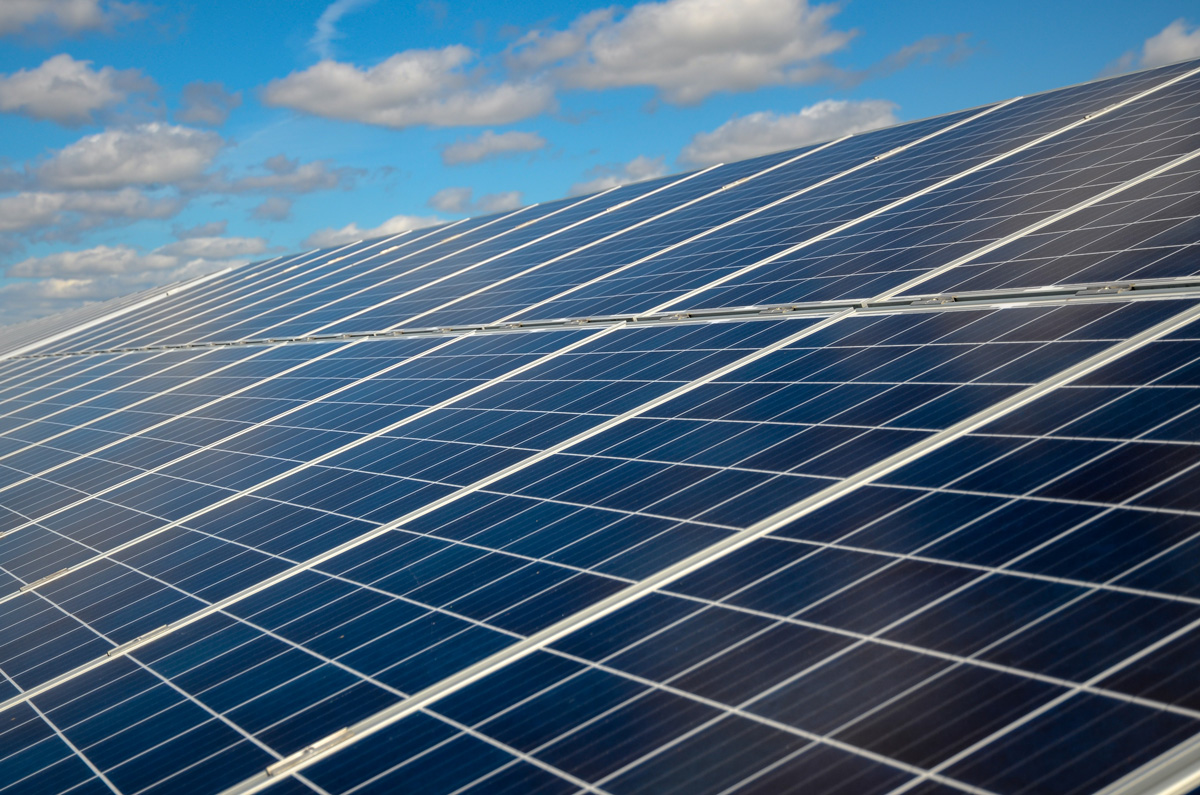
FMPA’s Florida Municipal Solar Project will generate zero-emission energy, using only the sun as fuel. When the sun is shining, solar panels absorb the sun light and convert it to electricity. This energy is then distributed through the electric grid to our homes and businesses. Here is how:


Solar panels lined with photovoltaic cells produce direct current when sunlight hits the panels.
Energy then flows through a device called an inverter, which transforms the energy to alternating current electricity.
Alternating current is delivered through the electric distribution system to power homes and businesses.

Benefits of Solar Power

FMPA’s goal is to provide renewable energy at an affordable price. A large-scale solar project, like FMPA’s, is the most economical way to produce solar power. A large project is approximately one-third the cost of a private, rooftop system. Solar generation produces no emissions, and that’s good news for customers and the environment.

The Florida Municipal Solar Project is one of the largest municipal-backed solar projects in the nation.

Florida Municipal Solar Project

FMPA’s Florida Municipal Solar Project is a joint project of 13 municipal electric utilities. It is one of the largest municipal-backed solar projects in the United States.

The project consists of four solar farms that generate a total of 300 megawatts of zero-emission energy, enough to power approximately 60,000 Florida homes. Each site is between 74.5 and 74.9 megawatts. The first two solar sites—Harmony Solar Energy Center and Taylor Creek Solar Energy Center—came online in June 2020. Two additional sites—Rice Creek Energy Center and Whistling Duck Energy Center—followed in January 2025 and December 2025, respectively.

Participants

  • Fort Pierce
  • Havana
  • Homestead
  • Jacksonville Beach
  • Key West
  • Kissimmee
  • Lake Worth Beach
  • Mount Dora
  • New Smyrna Beach
  • Newberry
  • Ocala
  • Orlando
  • Winter Park
Social media & sharing icons powered by UltimatelySocial